Translators
The Personal Object
A biophilic companion that gives houseplants a voice.
Role
ID, UI/UX
Timeline
30 weeks
Skills
Behavioral Research, 3D CAD & Render, Rapid Prototyping
INTRODUCTION

Pinpointing The PROBLEM
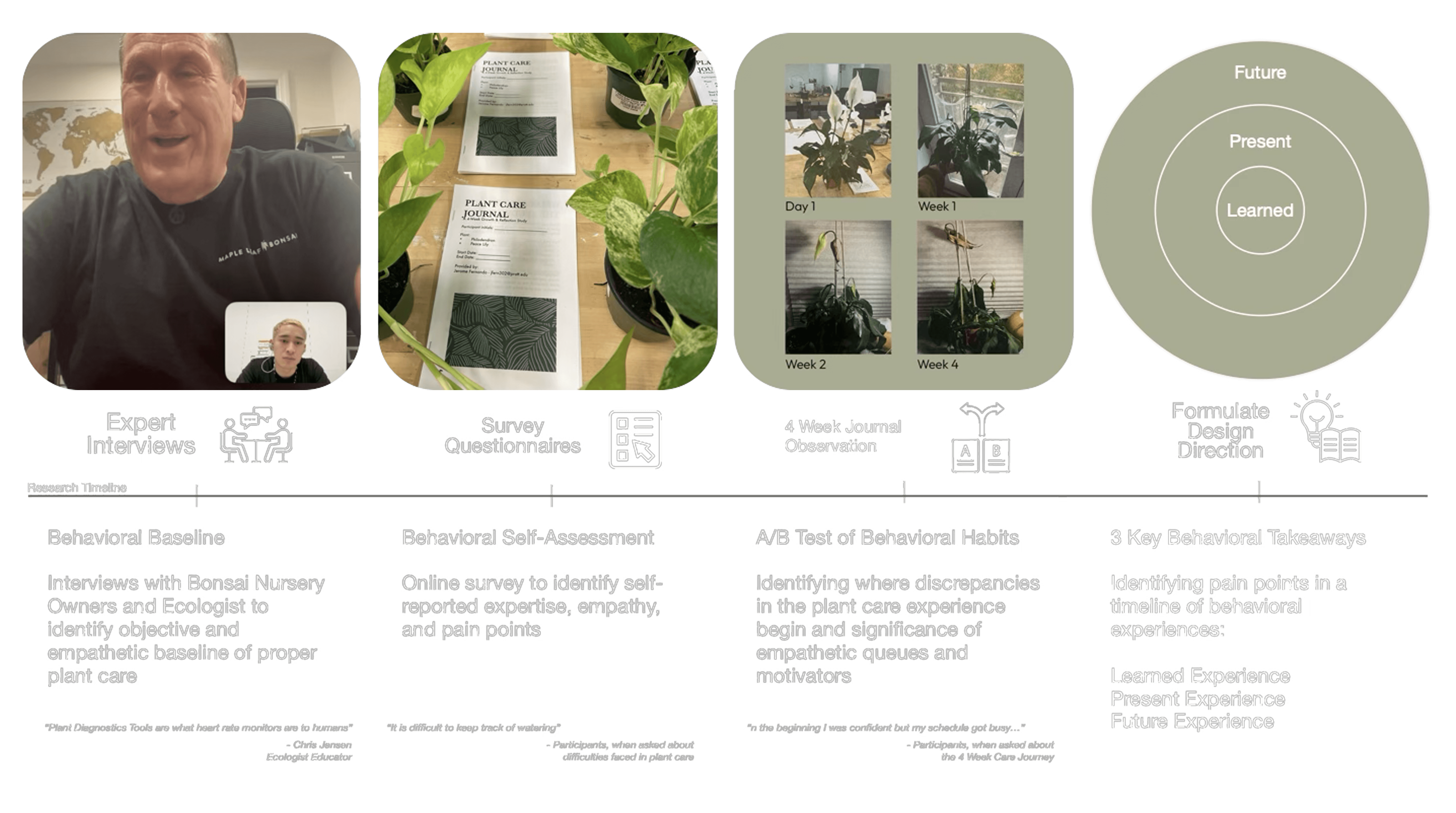
A Broken Loop
Plant care is a one-way relationship. We give attention and care—but the plant has no way to answer back.
PROCESS - Baseline

PROCESS - Prototyping


From Diagnostic to Relational
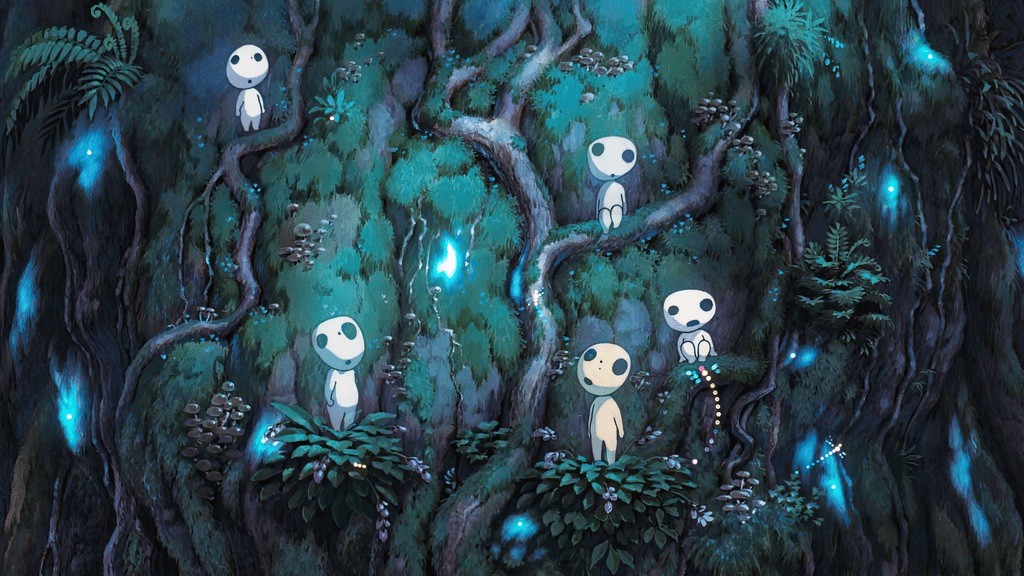
Reference: Kodama tree spirits, Studio Ghibli.


Final Outcome

Closing The Loop
The Healed Loop

Translators is a system that addresses the painpoints in plant care. Translators help discover your own behavioural patterns that are hard to pinpoint along the journey with your plants making the plant care experience more empathetic and informative.


App Interface

Long-Term Memory: Bridging the learning gap by tracking patterns over time.


Reflection
Translators proved that Industrial Design can do more than create passive instruments. By interpreting the interdependent system of a plant, its environment, and its owner, we can design objects that act as true mediators. When we shift our focus from human-centred convenience to multi-species connection, we don't just keep plants alive—we change our own behavior.
