FLO

The Network

Adaptable infrastructure bridging the gap between temporary street trials and permanent parks.

Role

Industrial Design

Timeline

12 weeks

Skills

Site Specific Design, 3D CAD & Rendering, Urban Systems

INTRODUCTION

NYC is a city of people, not cars. City departments are actively converting streets into pedestrian plazas, green spaces, and bike lanesinvesting in sustainability, heat reduction, and public health. But transforming a street into a permanent park takes years. During that limbo, "temporary" plazas sit behind barren barricades, failing to deliver the green infrastructure the city is investing in. Flo is a modular street furniture systemseating, planter, and fountaindesigned to make the temporary phase functional, beautiful, and alive.

How can Industrial Design support the complex network of city planning, making temporary spaces feel adaptable, permanent, and alive?

We surround ourselves with living thingsand cant keep them alive. The problem isnt effort; its silence. Plants cant tell us what they need until its too late. Translators gives them a voice, surfacing the patterns behind your care so each decision is more informed than the last.


How can the tools we touch every day become participants in our carenot just instruments we use?

0+

temporary pedestrian plazas currently exist in NYC.

A city in a constant state of trial.

The Gap

(7+ Years)

Permanent Park

Approval

Static Barricades

Limited Greenery

No Sensory Experience

Temporary Park

Approval

The Gap

(7+ Years)

Permanent Park

Approval

Static Barricades

Limited Greenery

No Sensory Experience

Temporary Park

Approval

PROBLEM

The Infrastructure Gap


City planners design for the long term, but streets are experienced in the present. During the years-long wait for permanent approval, temporary parks fail to serve the public network.

The Infrastructure
Gap


City planners design for the long term, but streets are experienced in the present. During the years-long wait for permanent approval, temporary parks fail to serve the public network.


01 · The Time Gap
"Temporary" plazas can remain in limbo for years. Without permanent approval, streets sit behind static barricades that fail to encourage public use.


02 · The Seasonal Gap
NYC experiences extreme seasonal shifts. Asphalt plazas become heat islands in summer and barren wastelands in winter. Static infrastructure can't adapt.


03 · The Modularity Gap
Urban architects and DOT need to test layouts, rearrange configurations, and respond to community feedback. Heavy concrete infrastructure can't move.


PROCESS - Site Visits

What Makes a Park Work?


Before designing new infrastructure, I needed to understand what already exists. I visited temporary plazas and permanent parks across NYC to identify what makes public space succeed—and where temporary installations fail.


Temporary Parks

Subway grates — chair legs slip through. Existing infrastructure creates hazards that can't be removed.


This participant watered multiple times a week and felt their plant’s distress—but never connected the two. They had empathy without understanding. They could feel something was wrong; they couldn’t tell what, or what to change.


Bike path conflicts — lanes cut through plazas, creating blind spots and competing directions of travel.


This participant watered multiple times a week and felt their plant’s distress—but never connected the two. They had empathy without understanding. They could feel something was wrong; they couldn’t tell what, or what to change.


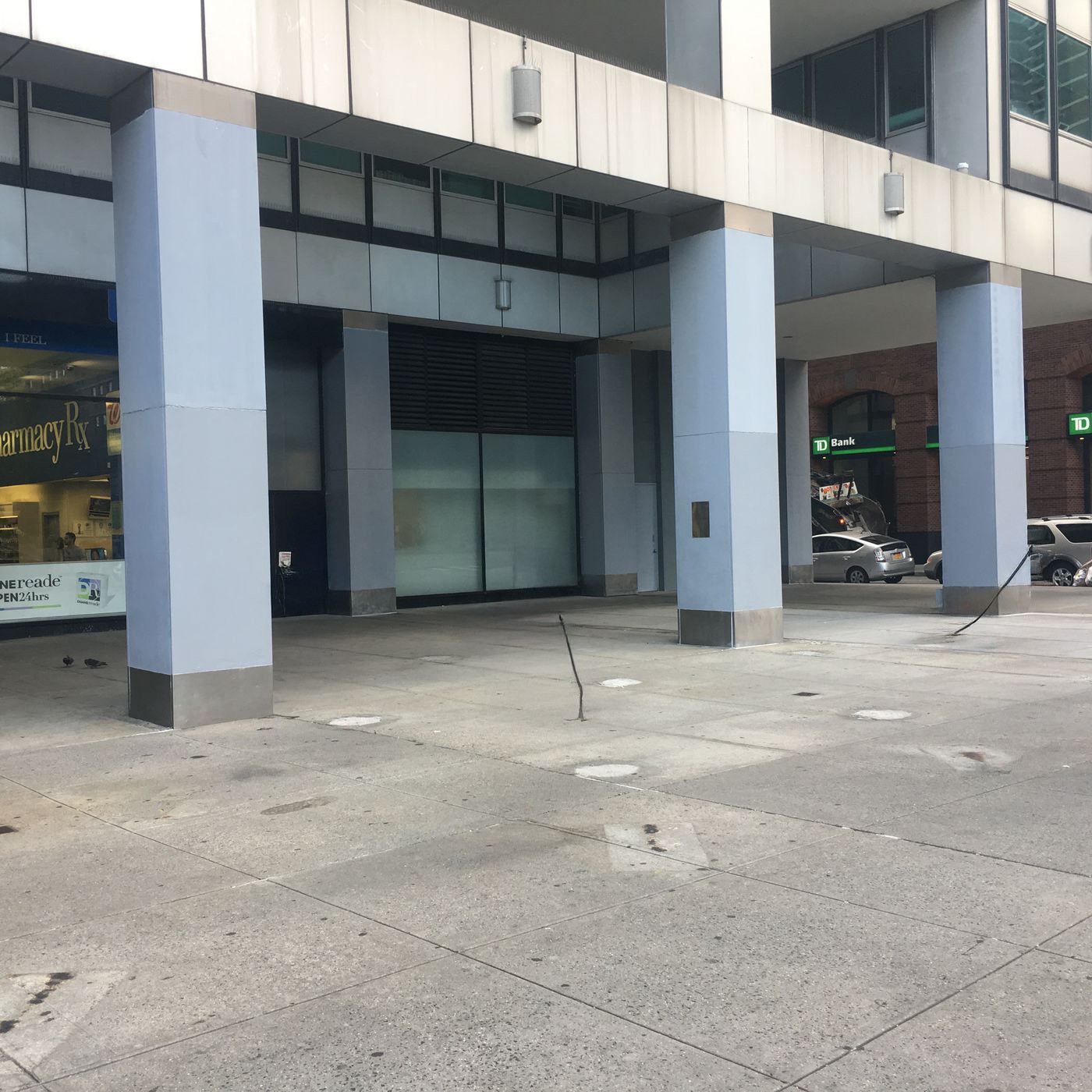
Crude barriers — massive rocks protect pedestrians from cars. Functional, but hostile and uninviting.


This participant watered multiple times a week and felt their plant’s distress—but never connected the two. They had empathy without understanding. They could feel something was wrong; they couldn’t tell what, or what to change.


Primitive planters — restricted volumes, generic shapes. No integration with seating or the street.

This participant watered multiple times a week and felt their plant’s distress—but never connected the two. They had empathy without understanding. They could feel something was wrong; they couldn’t tell what, or what to change.


This participant watered multiple times a week and felt their plant’s distress—but never connected the two. They had empathy without understanding. They could feel something was wrong; they couldn’t tell what, or what to change.


This participant watered multiple times a week and felt their plant’s distress—but never connected the two. They had empathy without understanding. They could feel something was wrong; they couldn’t tell what, or what to change.


This participant watered multiple times a week and felt their plant’s distress—but never connected the two. They had empathy without understanding. They could feel something was wrong; they couldn’t tell what, or what to change.


Permanent Parks

Integrated seating — wooden platforms serve as both structure and furniture. No separate chairs needed.


This participant watered multiple times a week and felt their plant’s distress—but never connected the two. They had empathy without understanding. They could feel something was wrong; they couldn’t tell what, or what to change.


Curved pathways — organic lines guide movement naturally through the space.


This participant watered multiple times a week and felt their plant’s distress—but never connected the two. They had empathy without understanding. They could feel something was wrong; they couldn’t tell what, or what to change.


Designed greenery — planting is part of the architecture, not dropped in as an afterthought.


This participant watered multiple times a week and felt their plant’s distress—but never connected the two. They had empathy without understanding. They could feel something was wrong; they couldn’t tell what, or what to change.


Sensory experience — sculptural forms, textured surfaces, and spatial variety create an inviting place.


This participant watered multiple times a week and felt their plant’s distress—but never connected the two. They had empathy without understanding. They could feel something was wrong; they couldn’t tell what, or what to change.


This participant watered multiple times a week and felt their plant’s distress—but never connected the two. They had empathy without understanding. They could feel something was wrong; they couldn’t tell what, or what to change.


This participant watered multiple times a week and felt their plant’s distress—but never connected the two. They had empathy without understanding. They could feel something was wrong; they couldn’t tell what, or what to change.


This participant watered multiple times a week and felt their plant’s distress—but never connected the two. They had empathy without understanding. They could feel something was wrong; they couldn’t tell what, or what to change.


Temporary parks inherit the city's constraints—grates, barriers, rigid planters—and add nothing to overcome them. Permanent parks succeed because their infrastructure is designed as a system: seating, greenery, and circulation are integrated, not assembled from separate parts.


Flo brings that integration to the temporary phase.

PROCESS - Protptyping

From Fountain to System

From Fountain to System

From Fountain to System

Initial explorations focused on a movable fountain—a single object that could bring water features to temporary plazas.

Through sketching, a question emerged: why design a standalone fountain when the real need is an integrated system? Seating, greenery, and water could live in one modular unit.

The concept shifted from a single fountain into a modular system—each unit functioning as seating, planter, or water feature depending on the configuration and season.

Closing the GAP

FLO

Permanent Park

Approval

Modular Seating

Living Greenery

Water Features

Temporary Park

Approval

FLO

Permanent Park

Approval

Modular Seating

Living Greenery

Water Features

Temporary Park

Approval

Solution

FLO

When temperatures drop, the fountain converts to seating—keeping the infrastructure functional year-round instead of shutting down for winter.

The same modules reconfigure to serve different street layouts—adapting to community needs without replacing infrastructure.

Scaled prototypes tested spatial relationships, sightlines, and the integration of greenery within modular configurations.

Activating empty plazas with FLO

Reflection

Infrastructure as a System


Flo proved that Industrial Design can operate at the scale of urban infrastructure—not by designing permanent monuments, but by creating adaptable systems that serve the messy, shifting reality of how cities actually change. When furniture becomes modular, seasonal, and integrated, temporary spaces stop feeling temporary.