Co-designing the Classroom
The Design Process
Fighting post-pandemic absenteeism by making 10-12 year-olds equal partners in the design process.

Exhibited at nycxdesign 2025
Team
Danielle Begnaud(Lead) , Margot Kleinman(Lead), Helen Mohney, Jerome Fernando
Role
Designer, Co-Author, Co Facilitator
Timeline
30 weeks
Skills
Cooperative Inquiry, Participatory Design, Workshop Facilitation, Academic Research
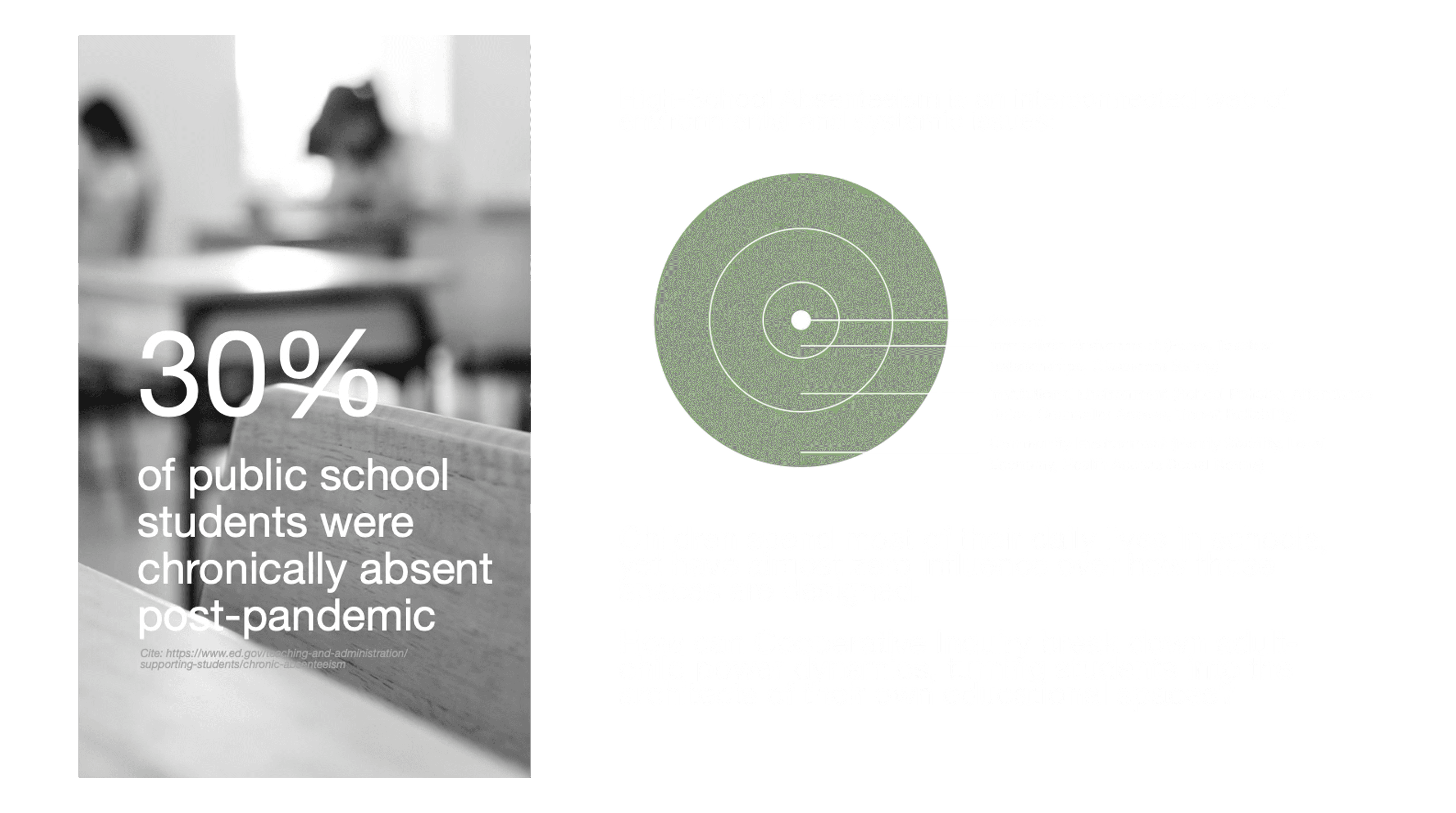
How can Cooperative Inquiry break down adult-child power dynamics, turning students into the architects of their own educational spaces?
How can Cooperative Inquiry break down adult-child power dynamics, turning students into the architects of their own educational spaces?
Cooperative Inquiry for Problem IIndentification
Cooperative Inquiry To Pinpoint the Students Feelings


Synthesizing findings into rapid prototypes using CNC machinery, casting, 3D printing, and spray painting
Synthesizing findings into rapid prototypes using CNC machinery, casting, 3D printing, and spray painting
ADULTS
STUDENTS
COOPERATIVE
INQUIRY
CLASSROOM
ADULTS
STUDENTS
COOPERATIVE
INQUIRY
CLASSROOM
Final Outcome
Designed by the Experts
Designed by the Experts

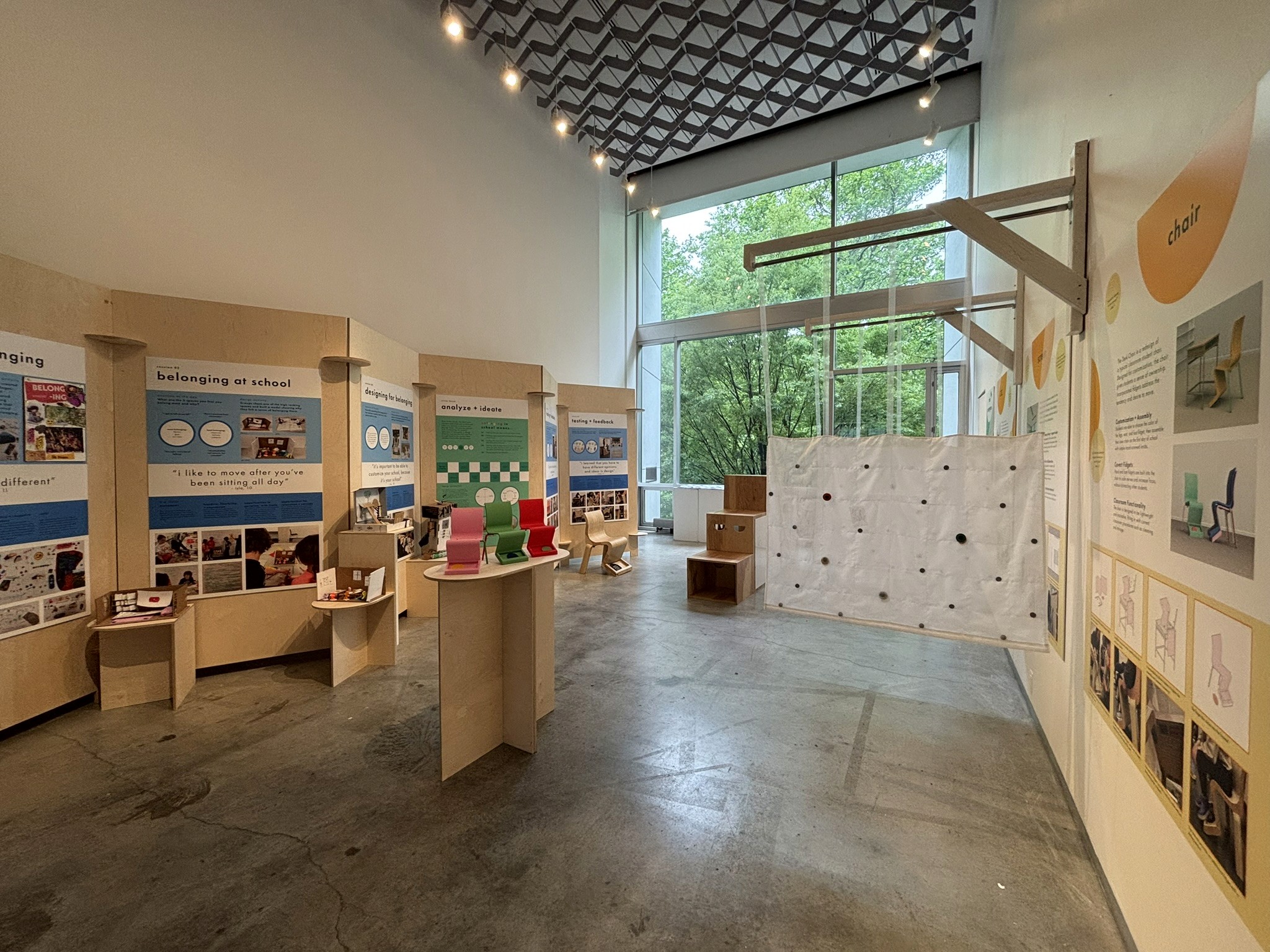
Exhibited at nycxdesign 2025
Exhibited at nycxdesign 2025

The Active Desk Chair
The Active Desk Chair
"People are fidgeting in class anyways." — Violet, 11
"People are fidgeting in class anyways." — Violet, 11
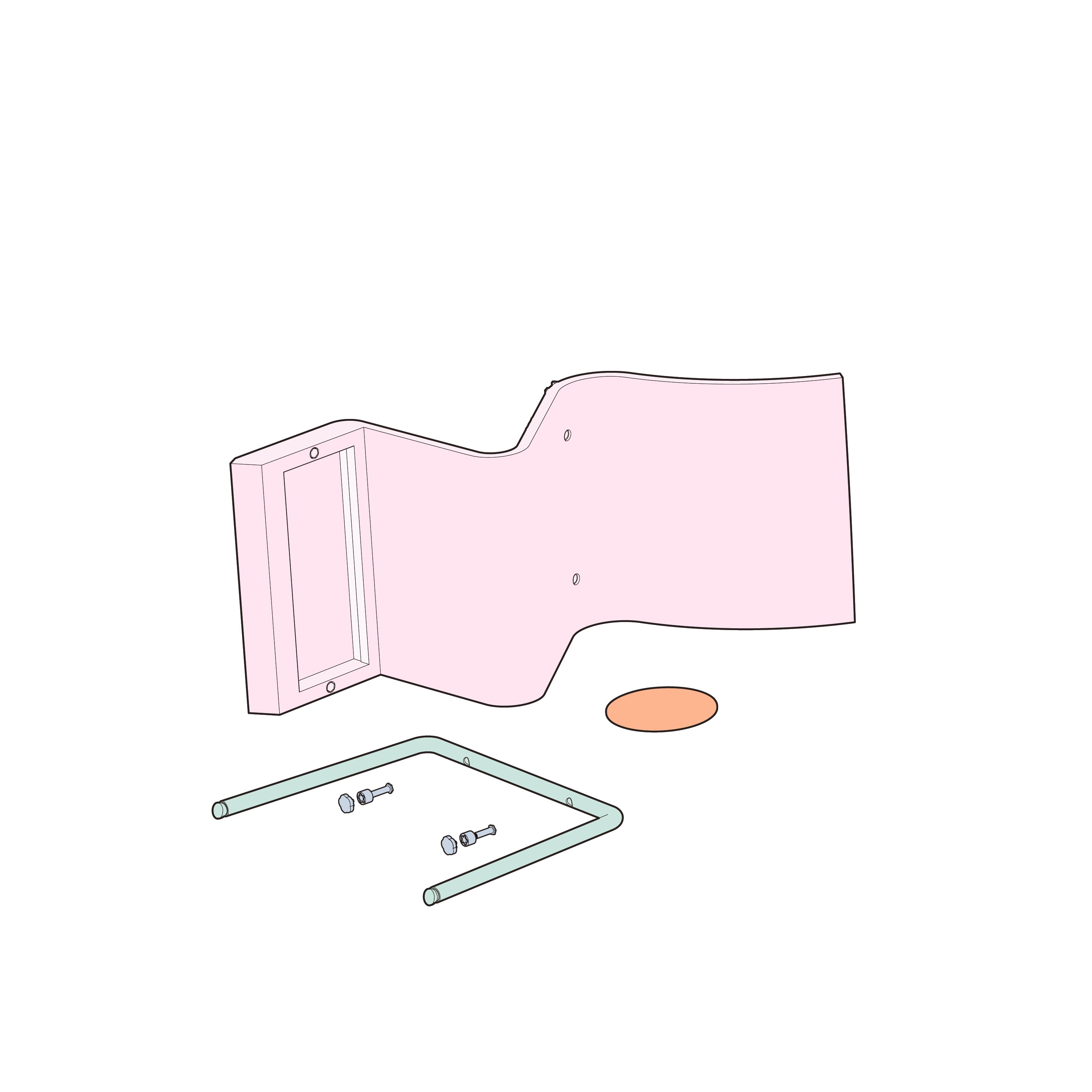
Redesigned for personal ownership and energy release. Students choose their own colors and assemble the chair on the first day of school. Built-in "covert fidgets" under the seat and on the footrest allow students to move and self-soothe without distracting others.
Redesigned for personal ownership and energy release. Students choose their own colors and assemble the chair on the first day of school. Built-in "covert fidgets" under the seat and on the footrest allow students to move and self-soothe without distracting others.


The COZ (Chill Out Zone)
The COZ (Chill Out Zone)
"It makes me feel like there's a safe space." — Penelope, 11
"It makes me feel like there's a safe space." — Penelope, 11
A modular furniture system that satisfies the need for a spectrum of activity. Students can actively reconfigure the blocks to create nooks for quiet isolation, tiered seating for socializing, or use the integrated dry-erase surfaces for creative expression.
A modular furniture system that satisfies the need for a spectrum of activity. Students can actively reconfigure the blocks to create nooks for quiet isolation, tiered seating for socializing, or use the integrated dry-erase surfaces for creative expression.


Fluid Privacy Screens
Fluid Privacy Screens
[You] can still learn but in a way that makes you comfortable." — Violet, 11
[You] can still learn but in a way that makes you comfortable." — Violet, 11
A dynamic partition system that allows students to divide space for focus or reduce overstimulation. The translucent, textured fabric maintains teacher sightlines for supervision, while integrated magnets turn the dividers into vertical collaboration boards.
A dynamic partition system that allows students to divide space for focus or reduce overstimulation. The translucent, textured fabric maintains teacher sightlines for supervision, while integrated magnets turn the dividers into vertical collaboration boards.


Reflection
The Designer as Facilitator
The Designer as Facilitator
This project proved that the most effective way to interpret a system is to hand the tools over to the people who live inside it. Industrial Design is often viewed as the act of a solo author creating objects. Cooperative inquiry reframes the designer as a facilitator—dismantling power dynamics and translating the lived experiences of a community into the built environment.
This project proved that the most effective way to interpret a system is to hand the tools over to the people who live inside it. Industrial Design is often viewed as the act of a solo author creating objects. Cooperative inquiry reframes the designer as a facilitator—dismantling power dynamics and translating the lived experiences of a community into the built environment.